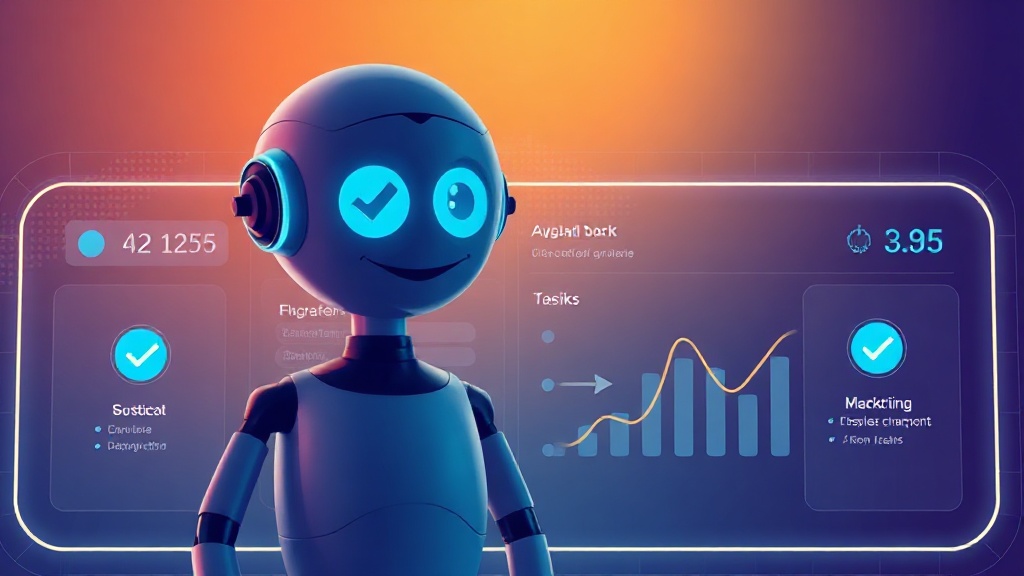
Read the AI headlines from mid-2026 and one theme jumps out: the industry has stopped bragging about chatbots and started shipping agents. Anthropic calls Claude Sonnet 5 its ‘most agentic’ model yet. Google put ‘computer use’ inside Gemini 3.5 Flash and pushed a managed Deep Research Agent. So what does ‘agentic AI’ actually mean — and why should you care?
From Answering to Doing
A traditional chatbot is a smart oracle: you ask, it answers, and you do the work. An agent is different — you give it a goal, and it breaks that goal into steps, uses tools (a browser, your files, an app), checks its own progress, and comes back with the task done, not just described.
Think of the difference between a consultant who hands you a to-do list and an assistant who quietly completes the list. 2026’s models are crossing that line.
Three Signals This Is Real
- Capability: Claude Sonnet 5 posted big gains in reasoning, tool use, and multi-step task completion over its predecessor.
- Action: Gemini 3.5 Flash can see and operate desktop, mobile, and browser interfaces — the raw ability an agent needs to actually get things done.
- Access: Local models like Gemma 4 now run capable agents on a laptop with 16GB of memory — private, offline, and free to run.
What You Can Do With Agents Today
You don’t need to wait for a sci-fi future. Practical, agent-friendly tasks right now include:
- Research & summarize: ‘Compare these five tools and give me a table with pricing and pros/cons.’
- Draft & personalize at scale: outreach emails, product descriptions, social posts — generated and tailored in batches.
- Automate a workflow: connect apps with tools like Zapier or Make so an AI step handles the repetitive middle of a process.
- Build small tools: plain-language app builders now turn a description into a working app or script.
How to Get Ahead (Without Getting Overwhelmed)
The winning approach isn’t to chase every model — it’s to stay tool-agnostic and workflow-focused. Pick one repetitive, multi-step task that drains your week. Map the steps. Then hand the tedious middle to whichever agent-capable model you can access today. As access and capability expand, your system gets better for free.
The agents are here. The people who win with them won’t be the ones with the most impressive prompts — they’ll be the ones who put a boring, valuable task on autopilot first.
Want step-by-step help? Our AI guides break down real automations you can set up this week — no coding required.