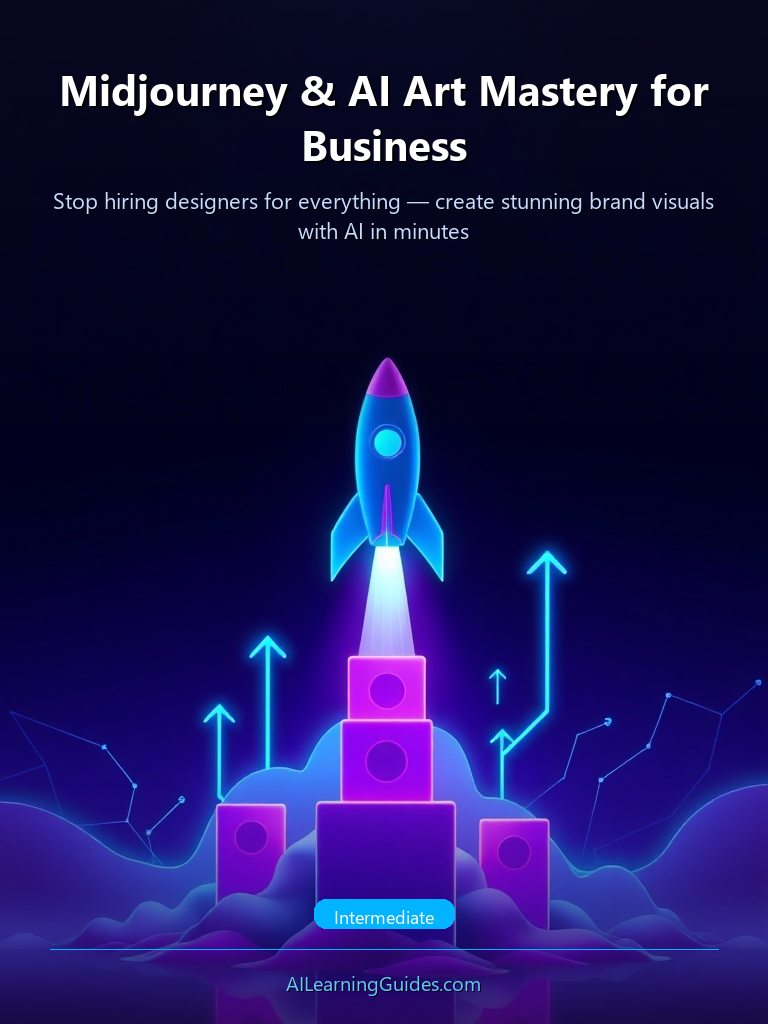
The business landscape for AI art creators is undergoing a rapid transformation. In 2026, simply producing great art is no longer enough; efficiency, rapid iteration, and smart client communication are critical. Many artists struggle to balance creative output with the administrative burden of running a business—client inquiries, marketing, invoicing, and project management consume valuable time. This eguide provides a direct path to leveraging AI tools, not to replace your artistic vision, but to automate the repetitive tasks that hinder growth and profitability, ensuring your business thrives in a competitive, AI-accelerated market.
This guide is for independent AI artists, small studio owners, and creative entrepreneurs who want to scale their operations without sacrificing their craft. If you spend too much time on non-billable tasks, or if you find yourself losing potential clients due to slow responses, this eguide is for you. After reading, you will be able to implement AI-driven workflows that streamline client acquisition, automate marketing content generation, and manage projects with unprecedented efficiency, allowing you to focus on high-value creative work and strategic business development.
We built this eguide with an operator-level focus, providing actionable strategies and specific tool recommendations relevant to 2026. You won’t find vague theories here; instead, expect concrete steps for integrating tools like ChatGPT-4o, Midjourney v6, and Canva AI into your daily operations. We maintain an honest tone, highlighting both the immense potential and the critical pitfalls to avoid when adopting AI. This isn’t about magic buttons; it’s about intelligent application of powerful technology to give your AI art business a significant competitive edge.
What This Guide Covers
- Identifying the 40-60% of non-billable tasks AI can eliminate in your AI art business.
- Setting up a free ChatGPT or Claude account for instant communication and content generation.
- Generating a professional 50, 150, and 300-word business bio for social media, Google Business, and your website.
- Creating a 4-week social media content calendar with captions, hashtags, and content types for platforms like Instagram and X.
- Drafting 5 essential client communication templates: post-service thank you, follow-up, inquiry response, estimate follow-up, and seasonal reminder.
- Building a professional estimate template including itemized services, terms, payment schedules, and “confidence copy.”
- Crafting effective responses for 5 common Google review scenarios, from glowing 5-stars to unfair 1-star complaints.
- Implementing a 15-minute AI-powered morning routine for lead response and content publishing.
- Leveraging Canva AI for rapid creation of marketing visuals, flyers, and business cards.
- Automating lead responses from your website forms using Zapier and AI for sub-minute reply times.
- Developing an AI-powered pricing model by feeding historical project data to prevent under-quoting.
- Generating 20 SEO-optimized blog posts answering common client questions about AI art in your local area.
- Conducting a detailed AI-assisted competitor analysis to identify market differentiation opportunities.
- Utilizing 15 ready-to-use prompts for tasks like service descriptions, seasonal campaigns, and objection handling.
- Avoiding common AI implementation mistakes, such as losing the personal touch or publishing unreviewed content.
- Following a 7-day starter plan to integrate core AI tools and workflows into your business immediately.
The winning pattern in 2026 for AI art businesses is seamless integration: using AI to handle the operational minutiae, freeing up your creative energy for groundbreaking art and strategic client relationships. This guide shows you how to achieve that synergy.







AI Learning Guides Editorial Team –
After months of testing various AI approaches, the methods outlined in this guide delivered the most consistent results. The author clearly understands the challenges practitioners face.
Leah Dixon –
Im not one to leave reviews usually but learned way more than i figured i would. wouldve liked a little more on the advanced side. 5 stars from me